
Introduction
Knee replacement is a common orthopedic procedure performed to relieve pain and restore mobility in patients with advanced knee joint damage. One of the most frequently asked questions by patients considering knee replacement surgery is, How long does a knee replacement actually last?
The lifespan of a knee replacement depends on several factors, including the type of implant used, surgical technique, patient age, activity level, and post-surgery care.
In most cases, modern knee replacement implants are designed to last many years and allow patients to return to an active, pain-free life.
What Is Knee Replacement?
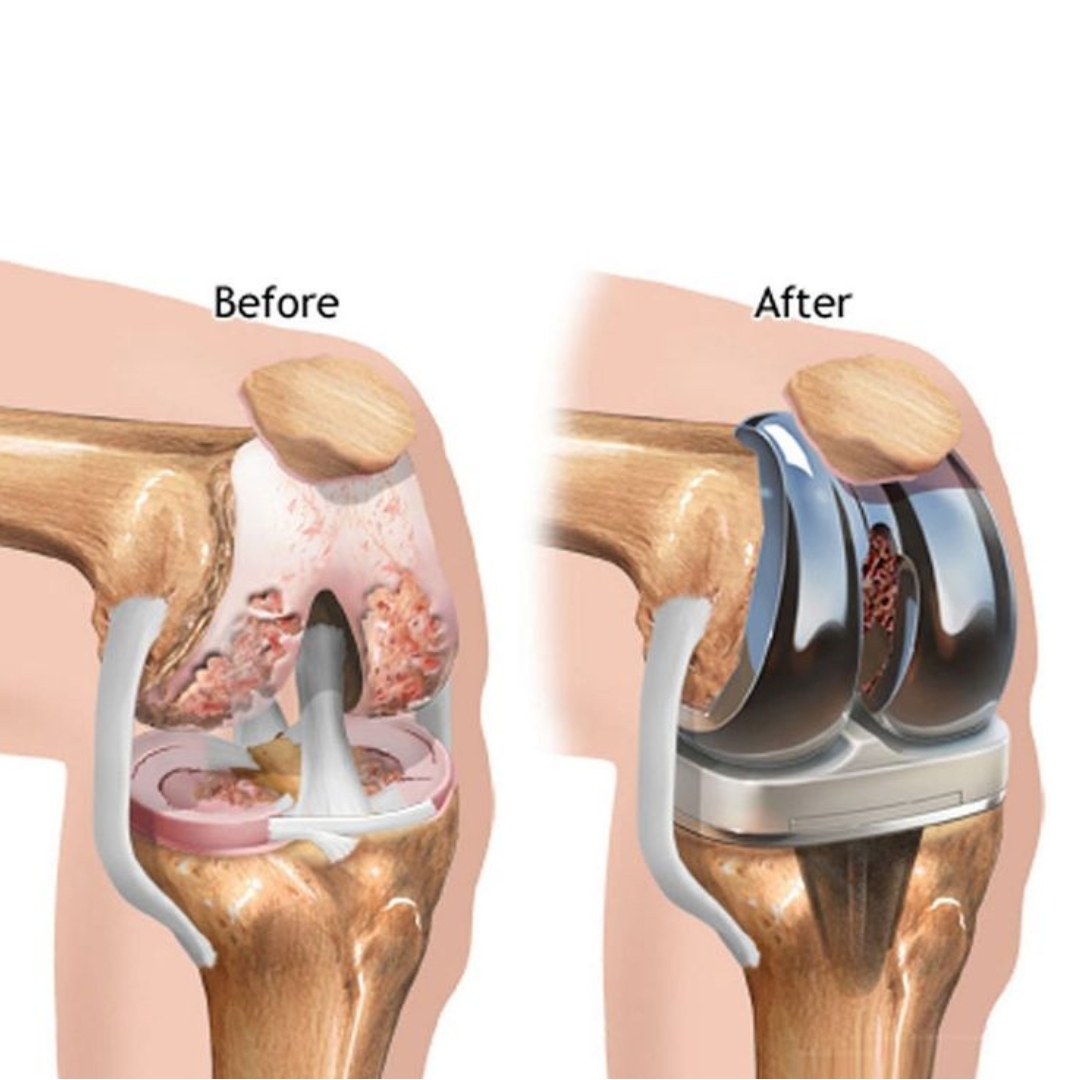
Knee replacement, also known as knee replacement surgery, is a procedure in which damaged or worn-out surfaces of the knee joint are replaced with artificial implants. These implants are designed to mimic the natural movement of the knee while reducing pain caused by arthritis, injury, or joint degeneration.
Knee replacement may involve replacing one side of the joint or the entire knee, such as total knee replacement, depending on the extent of damage and the patient’s condition.
Understanding the Lifespan of Knee Replacement Surgery
On average, a knee replacement can last 15 to 25 years. Many patients experience excellent function well beyond 20 years, especially with modern implant materials and improved surgical techniques.
Studies show that:
- Around 90–95% of knee replacements are still functioning well after 10 years
- About 85–90% continue to perform effectively after 20 years
However, the exact lifespan of a knee replacement varies from patient to patient.
Factors That Affect Knee Replacement Longevity
Several key factors influence how long a knee replacement lasts:
Age at the Time of Surgery
Younger patients tend to place more stress on the knee joint over time, which may slightly reduce implant lifespan compared to older patients.
Activity Level
High-impact activities such as running or heavy manual work can accelerate wear on knee replacement implants.
Body Weight
Excess body weight increases pressure on the knee joint, which may affect implant durability.
Implant Quality and Surgical Technique
Modern knee replacement implants, when placed accurately by an experienced orthopedic surgeon, generally last longer and perform better.
Post-Surgery Care
Following rehabilitation guidelines and maintaining muscle strength plays a significant role in long-term success.
Knee Replacement Recovery and Implant Durability
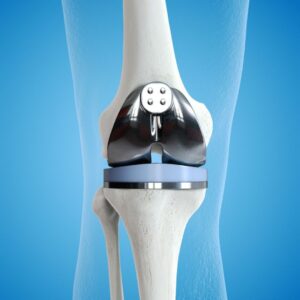
Knee replacement recovery directly affects the long-term durability of the implant. Proper recovery helps stabilize the joint, improve movement patterns, and reduce unnecessary stress on the artificial knee.
Most patients:
- Begin walking with support within a few days
- Resume daily activities in 6–8 weeks
- Continue improving strength and flexibility for several months
A smooth recovery contributes to better implant longevity and overall knee replacement outcomes.
How Long Does Knee Replacement Surgery Take?
Knee replacement surgery typically takes 1 to 2 hours, depending on whether the procedure involves one knee or both knees. In some cases, patients may undergo bilateral knee replacement to treat severe damage in both joints.
Exercises After Knee Replacement and Their Impact on Implant Lifespan
Regular exercises after knee replacement are essential to maintain joint flexibility, muscle strength, and balance. Proper exercises help distribute load evenly across the implant and reduce wear.
Commonly recommended exercises include:
- Quadriceps strengthening
- Gentle knee bending and straightening
- Walking and low-impact activities
Consistent exercise can significantly improve how long a knee replacement lasts.
Can a Knee Replacement Last a Lifetime?
While a knee replacement is not guaranteed to last a lifetime, many patients who undergo surgery later in life may never need a revision. With modern implants, careful activity choices, and proper follow-up, some knee replacements last 25 years or more.
When Is Revision Knee Replacement Needed?
Although most knee replacements last many years, some patients may require revision knee replacement surgery. This involves replacing or adjusting the existing implant.
Signs that revision knee replacement may be needed include:
- Persistent pain after initial recovery
- Knee instability or stiffness
- Reduced function after years of good performance
Revision procedures are less common today due to advancements in implant design and surgical techniques.
Choosing the Right Orthopedic Surgeon for Knee Replacement
The experience of the orthopedic surgeon plays a crucial role in the success and longevity of knee replacement surgery. Accurate implant positioning, proper alignment, and personalized surgical planning all contribute to better long-term outcomes.
Patients should consider surgeons who specialize in knee replacement and work in hospitals with advanced orthopedic facilities.
Knee Replacement Options for International Patients
International patients considering knee replacement surgery often look for clear, reliable information before choosing a treatment destination. Key concerns include long-term outcomes, recovery time, implant lifespan, and overall treatment value. Understanding these factors helps patients plan their travel, treatment, and recovery with confidence.
When evaluating knee replacement options abroad, international patients should focus on the following key factors:
Cost Transparency
Reputed hospitals provide clear, upfront cost estimates covering surgery, implants, hospital stay, medications, and post-operative care—helping patients avoid unexpected expenses.
Implant Quality & Longevity
High-quality, internationally approved knee implants are designed to last 15–25 years or more, depending on activity level, weight, and post-surgery care.
Hospital Experience & Surgical Volume
Hospitals with a high volume of knee replacement surgeries typically deliver better outcomes due to standardized protocols, experienced teams, and advanced infrastructure.
Surgeon Expertise
Experienced orthopedic surgeons ensure precise implant placement, faster recovery, and longer-lasting knee replacement results, including through minimally invasive techniques.
Conclusion
Knee replacement is a reliable and long-lasting solution for patients suffering from severe knee joint damage. With modern implants, proper surgical technique, and good post-operative care, a knee replacement can last 15 to 25 years or even longer. Factors such as age, activity level, recovery, and surgeon expertise all play a role in determining how long a knee replacement lasts.
For patients considering knee replacement surgery, understanding implant lifespan helps set realistic expectations and supports informed decision-making.
FAQs
1. What happens 20 years after knee replacement?
After 20 years, many knee replacement implants are still functioning well, especially in patients who maintain a healthy weight and avoid high-impact activities. However, some patients may experience gradual wear of the implant, mild stiffness, or reduced range of motion. Regular follow-up with an orthopedic specialist helps detect age-related changes early and prevents complications.
2. How do you know if your knee replacement is wearing out?
A knee replacement may be wearing out if a patient begins to experience increasing knee pain after many years of comfort. Other common signs include persistent swelling or stiffness that does not improve with rest or medication, a feeling of instability or looseness in the knee, and a gradual reduction in the ability to walk or perform daily activities. When these symptoms appear, imaging tests such as X-rays are commonly used by orthopedic specialists to check for implant wear, loosening, or alignment issues.
3. How many times can a knee be replaced?
A knee can usually be replaced more than once, but each revision surgery is more complex than the first. Most patients need only one knee replacement in their lifetime, while some may require a revision if the implant wears out after many years. Advances in surgical techniques have improved outcomes even after revision procedures.
4. Can you have a second knee replacement on the same knee?
Yes, a second knee replacement on the same knee is possible and is known as revision knee replacement. It is performed when the original implant fails, loosens, or causes pain. With proper evaluation and surgical planning, many patients regain good function after revision surgery.
5. Can I still have arthritis after knee replacement?
Yes, arthritis can still affect areas of the knee or nearby joints even after knee replacement. While the damaged joint surfaces are replaced, arthritis may develop in surrounding tissues or other joints over time. Knee replacement significantly reduces pain, but it does not completely eliminate the risk of arthritis elsewhere.